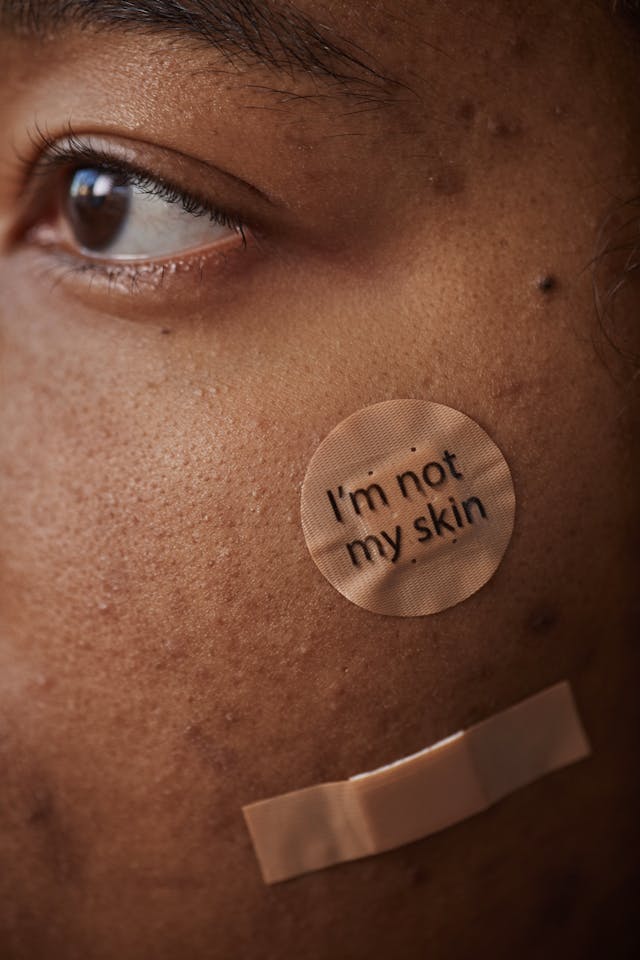
Acne scarring can be a frustrating aftermath of persistent breakouts, affecting not just your skin's appearance but also your self-confidence. Whether you're dealing with deep pitted scars or surface-level marks, there are multiple effective treatments and strategies to minimize their appearance and restore your skin's natural beauty.
Understanding Acne Scarring: Types and Causes
Types of Acne Scars
Acne scars aren't uniform. Understanding the different types helps in selecting the most appropriate treatment:
- Atrophic Scars:
- Depressed or pitted scars
- Three main subtypes:
- Ice pick scars (narrow, deep)
- Boxcar scars (wider, angular)
- Rolling scars (wave-like, uneven texture)
- Hypertrophic Scars:
- Raised, firm scars
- Result from excess collagen production
- More common in darker skin tones
- Post-Inflammatory Hyperpigmentation:
- Dark spots left after acne heals
- Not technically a scar, but often treated similarly
What Causes Acne Scarring?
Several factors contribute to acne scar formation:
- Severe inflammatory acne
- Delayed or improper treatment
- Genetic predisposition
- Picking or squeezing pimples
- Lack of proper skincare during and after breakouts
Professional Treatment Options
Dermatological Procedures
1. Laser Treatments
- Fractional Laser Therapy:
- Targets specific skin layers
- Stimulates collagen production
- Suitable for multiple scar types
- Minimal downtime
- CO2 Laser Resurfacing:
- More intensive treatment
- Excellent for deep, significant scarring
- Longer recovery period
2. Microneedling
- Creates controlled skin injury
- Stimulates natural healing process
- Increases collagen and elastin production
- Can be combined with PRP (Platelet-Rich Plasma) for enhanced results
3. Chemical Peels
- Removes top skin layers
- Promotes cell regeneration
- Different strengths for various scar depths
- Helps improve overall skin texture
4. Microdermabrasion
- Gentle exfoliation technique
- Reduces shallow scarring
- Improves skin texture
- Minimal recovery time
Advanced Medical Treatments
Punch Techniques
- Punch Excision: Surgically removes deep scars
- Punch Elevation: Raises depressed scars
- Punch Grafting: Fills significant skin indentations
Dermal Fillers
- Temporary solution for atrophic scars
- Immediate volume restoration
- Typically last 6-18 months
- Options include hyaluronic acid and collagen-stimulating fillers
At-Home Treatment Strategies
Topical Treatments
Key Ingredients for Scar Reduction
- Retinoids:
- Promote cell turnover
- Stimulate collagen production
- Improve skin texture
- Vitamin C:
- Brightens hyperpigmentation
- Antioxidant properties
- Supports collagen synthesis
- Niacinamide:
- Reduces inflammation
- Improves skin barrier
- Helps even skin tone
Natural Remedies
Effective Natural Options
- Rosehip seed oil
- Aloe vera
- Honey
- Coconut oil
- Onion extract
Preventive Skincare Routine
Daily Skincare Steps
- Gentle Cleansing
- Use non-comedogenic cleansers
- Avoid harsh scrubbing
- Morning and evening routine
- Exfoliation
- 1-2 times weekly
- Chemical exfoliants preferred
- Avoid physical scrubs
- Hydration
- Use lightweight, oil-free moisturizers
- Support skin barrier function
- Sun Protection
- Daily SPF 30+ sunscreen
- Prevents hyperpigmentation
- Supports scar healing
Nutritional Support for Skin Healing
Diet and Supplements
Skin-Healing Nutrients
- Zinc: Supports wound healing
- Vitamin E: Antioxidant properties
- Omega-3 Fatty Acids: Reduces inflammation
- Collagen Supplements: Supports skin regeneration
Lifestyle Factors
Holistic Approach to Scar Reduction
- Stress Management
- Impacts hormone balance
- Affects skin healing
- Practice meditation, yoga
- Adequate Sleep
- 7-9 hours nightly
- Supports cellular regeneration
- Hydration
- Minimum 8 glasses water daily
- Supports skin elasticity
When to Seek Professional Help
Consultation Indicators
- Severe or persistent scarring
- No improvement with home treatments
- Emotional distress from skin appearance
- Complex or mixed scar types
Psychological Considerations
Dealing with Acne Scarring
- Practice self-compassion
- Focus on overall skin health
- Consider counseling if scarring affects mental health
Conclusion: Your Path to Clearer Skin
Reducing acne scarring is a journey combining professional treatments, consistent skincare, nutrition, and patience. Every skin is unique, and what works for one might not work identically for another.
Embrace a holistic approach, be consistent, and remember that progress takes time. Your skin has an incredible capacity to heal and regenerate.
.svg)
.svg)


.svg)


